
M.C.A
The department of Computer Applications was established in the year 1995 with the introduction of Master of Computer Applications (MCA). It is affiliated to Bangalore University, approved by AICTE, New Delhi, Ministry of HRD, Government of India and recognized by the Government of Karnataka. The programs offer a wide range of Technical and Programming skill sets. The faculty members of the department are highly qualified and involved in active research. The program includes case study analysis, conferences, industrial visits, workshops and seminars to impart the real application of the subjects by in-house as well as industry experts. The Department actively collaborates with industry through MoU’s to enrich learning beyond the classroom. Value added courses are conducted in emerging areas like artificial intelligence, cyber security, data science, and full-stack development, ensuring our students stay relevant and future-ready.
All Programmes > MCA
Vision and Mission of the Programme
- Vision: "To nurture skilled and responsible computing professionals through quality education and practical exposure, while fostering creativity, innovation, and an entrepreneurial mindset, with a strong commitment to society".
- Mission: M1: To provide high-quality education in Computer Applications through a dynamic curriculum, modern pedagogy, and advanced technological resources.
- M2: To instil ethical values, social responsibility, and leadership qualities while fostering critical thinking and problem-solving skills.
- M3: To empower students with transformative technological expertise that addresses real-world challenges and promotes sustainable development.
Programme Specific Outcomes
- PSO1: Apply concepts of Artificial Intelligence, Machine Learning, and Data Analytics to design and develop intelligent systems and data-driven solutions for real-world problems.
- PSO2: Design, develop, and deploy scalable web and mobile applications using full-stack technologies and cloud platforms while adhering to industry best practices.
- PSO3: Implement secure computing practices and leverage emerging technologies such as Cybersecurity, Blockchain, and Internet of Things (IoT) to build reliable and innovative software solutions.
Programme Outcomes
- PO1: Computational Knowledge: Understand computing and optimization techniques using mathematics and computational models for solving real-world practical problems.
- PO2: Problem Analysis: Formulate the problem in familiar and non-familiar contexts, conduct the feasibility study, and solve real-world problems through analysis that aims for optimal solutions.
- PO3: Design / Development of Solutions: Design and develop solutions for real-world problems by identifying relevant assumptions and formulating arguments, which provides user satisfaction in the multi-disciplinary sector
- PO4: Conduct investigations of complex Computing problems: Conduct literature surveys through research papers, and survey techniques to extract information to understand complex problems, formulate hypotheses, and test them with qualitative and quantitative data
- PO5: Usage of Modern Tools: develop or select, and apply relevant algorithms/techniques, and resources, using modern IT tools to solve complex computing problems and use appropriate software for analysis of data
- PO6: Professional Ethics: Understand professional ethics, cyber ACT/ regulations, and responsibilities with societal concern and adopt objective, unbiased and truthful actions in all aspects of work
- PO7: Life-long Learning: Engage in the lifelong learning experience to gain and improve knowledge and competency as a computing professional and to inculcate a healthy attitude for lifelong learn
- PO8: Project Management and Finance: Demonstrate knowledge and understanding of software engineering and management principles and manage projects efficiently as a leader considering economical parameter.
- PO9: Communication Efficacy: Communicate effectively with the computing community and with society effectively by writing technical documentation, giving presentations, discussing instructions, and constructing logical arguments using the correct technical language.
- PO10: Societal and Environmental Concern: Understand responsibilities and consequences based on societal, environmental based national, or international issues relevant to computing techniques and contribute to nation building.
- PO11: Individual and Teamwork: Work effectively as an individual, as a member, or as a leader inspiring people in teams in multidisciplinary se
- PO12: Innovation and Entrepreneurship: Identify an opportunity for innovation in day-to-day activities and enable an ecosystem to look for innovation opportunities that will help a large set of people be happy and thus allowing them to focus on improving what they do.
Course Outcomes
- Upon successful completion of the course, students will be able to understand and apply core concepts of computer applications, including programming, data structures, algorithms, and database management. They will develop problem-solving skills and the ability to design and implement software solutions efficiently. Students will also gain practical experience with modern tools and technologies, enabling them to work effectively on real-time projects. The course fosters critical thinking, teamwork, and ethical awareness essential for professional success in the IT industry.
Programme Educational Objectives
- PEO1: Demonstrate technical competence in analyzing, designing, developing, and maintaining software solutions for real-world problems
- PEO2: Excel both independently and within multidisciplinary teams, demonstrating integrity, effective communication, and strong leadership in diverse project environments
- PEO3: Commit to lifelong learning while building impactful careers or successful entrepreneurial ventures in computer applications.
The MCA Program was introduced. The Department of Computer Application was established with the introduction of the MCA program under Bangalore University.
The MCA Program was introduced. The Department of Computer Application was established with the introduction of the MCA program under Bangalore University.
The MCA Program was introduced. The Department of Computer Application was established with the introduction of the MCA program under Bangalore University.
Department of MCA 1st Rank – Suchismitha Swain 2nd Rank - Roopesh Shah
Department of MCA 1st Rank – Suchismitha Swain 2nd Rank - Roopesh Shah
Department of MCA 1st Rank – Suchismitha Swain 2nd Rank - Roopesh Shah
The Department of MCA bagged overall trophy in the inter-departmental cultural and sports competition held for PG students.
The Department of MCA bagged overall trophy in the inter-departmental cultural and sports competition held for PG students.
The Department of MCA bagged overall trophy in the inter-departmental cultural and sports competition held for PG students.
100 students of MCA got Certified in “Advanced Image Analysis for Geospatial Professionals” and Outreach Program organized by IIRS ISRO, Dehradun. Organised Project Exhibition on 10th October 2025 in collaboration with IIC and awarded the best project.
100 students of MCA got Certified in “Advanced Image Analysis for Geospatial Professionals” and Outreach Program organized by IIRS ISRO, Dehradun. Organised Project Exhibition on 10th October 2025 in collaboration with IIC and awarded the best project.
100 students of MCA got Certified in “Advanced Image Analysis for Geospatial Professionals” and Outreach Program organized by IIRS ISRO, Dehradun. Organised Project Exhibition on 10th October 2025 in collaboration with IIC and awarded the best project.
58 MCA students earned EY and Microsoft Certificate in “AI Skills Passport”. MCA Students have published research papers in Journals and Conferences.
58 MCA students earned EY and Microsoft Certificate in “AI Skills Passport”. MCA Students have published research papers in Journals and Conferences.
58 MCA students earned EY and Microsoft Certificate in “AI Skills Passport”. MCA Students have published research papers in Journals and Conferences.
SLD101
1MCA1: The Art of Programming
The Art of Programming helps students develop logical thinking, problem-solving abilities, and creativity in designing efficient solutions for real-world problems.
SLD102
1MCA2: Discrete Mathematics
It provides the mathematical foundation required for problem-solving, logical reasoning, algorithm design, and computational thinking.
SLD103
1MCA3: Computer Organization and Architecture
Learning Computer Organization and Architecture helps to understand how computer hardware and software interact, improving their ability to write efficient programs and solve system-level problems.
SLD104
1MCA4: Theory of Computation
It develops a strong foundation for understanding how algorithms, automata, and programming languages work.
SLD105
1MCA5: Object Oriented Programming
It is essential to design and develop modular, reusable, secure, and easy to maintain software.
SLD106
1MCA6: Data Structures
Learning Data Structures helps in organizing and managing data efficiently to develop fast and optimized software programs.
SLD107
1MCA7: Data Structures Lab
Data structure Lab allows students to implementing algorithms and data structures to improve programming and problem-solving skills.
SLD108
1MCA8: Object Oriented Lab
It helps in designing, coding, testing, and debugging real-world software applications using OOP concepts.
SLD201
2MCA1: Operating Systems
It is essential to understand how computer resources are managed and how software interacts with hardware efficiently.
SLD202
2MCA2: Database Management Systems
It imparts skills to efficiently design, manage, and query databases for transforming raw data into secure, structured, and meaningful information for real-world applications.
SLD203
2MCA3: Computer Networks
To build an understanding of how computers communicate and share resources over networks.
SLD204
1MCA4: Theory of Computation
To equip learners with the ability to design, develop, and deliver high-quality software systems by applying core Software Engineering principles and Agile methodologies.
SLD205
2MCA5:The Design and Analysis of Algorithm
It lays foundation to design efficient algorithms and rigorously analyze their performance in terms of time and space complexity.
SLD206
2MCA6: Artificial Intelligence
Artificial Intelligence empowers students to design smart systems that can think, learn, and make decisions, driving innovation across every modern industry.
SLD207
2MCA7 : Database Management System Lab
This allows to gain hands-on skills in designing, querying, and managing databases efficiently.
SLD208
2MCA8 : Unix Programming Lab
Students gain practical skills in Unix by working with shell commands and scripting to automate tasks and understand system-level operations effectively.
Core SLD 302
3MCA2 : Soft Core
It strengthens logical reasoning, data interpretation, and analytical thinking.
Core SLD 303
3MCA3 : Research Methodology
Research Methodology helps to understand problems clearly, collect and analyze information in a systematic way, and make smart, reliable decisions based on facts in academic and professional work.
Elective SLD3OE1
3MCA1: Open Elective
It allows students to explore subjects beyond their core syllabus, encourages interdisciplinary thinking and helps students discover interests that may guide their future specialization or profession.
Elective SLD3E1
MCA3E1: Machine Learning
Students develop the ability to build intelligent systems that can analyze data, recognize patterns, and make predictions, which are essential skills for modern software development and AI-driven applications.
Elective SLD3E2
MCA3E2: Big Data & Analytics
It equips students with the ability to process and analyze large-scale data to extract meaningful insights for better decision-making.
Elective SLD3E3
MCA3E3: Cryptography and Network Security
Students learn how to secure data, defend against cyber threats, and build trustworthy digital systems in today’s connected world.
Elective SLD3E4
MCA3E4: Cloud Computing
It builds in-demand skills to design and manage powerful, scalable, and future-ready IT solutions that drive today’s digital world.
Elective SLD3E5
MCA3E5: Web Programming
Students gain essential skills to design, develop, and deploy modern interactive web applications, making them industry-ready.
SLD 304
3MCA7: Mini Project
Students connect theory with practice by applying programming concepts on a small scale, which builds confidence, strengthens problem-solving skills, and prepares them for real-world software development in a simple and guided way.
SLD401
MAIN PROJECT
Students independently design, develop, and deploy complete solutions for real-world industry or research problems, sharpening their technical skills, creativity, and problem-solving ability, preparing them to excel in professional IT careers.
Placement | Doctoral - AMC Management School
Every year, the HBS Doctoral Programs produces an impressive list of students who are preparing to enter the job market. Find an outstanding candidate to Every year, the HBS Doctoral Programs produces an impressive list of students who are preparing to enter the job market. Find an outstanding candidate to Every year, the HBS Doctoral Programs produces an impressive list of students who are preparing to enter the job market. Find an outstanding candidate
Placement | Doctoral - AMC Management School
Every year, the HBS Doctoral Programs produces an impressive list of students who are preparing to enter the job market. Find an outstanding candidate to Every year, the HBS Doctoral Programs produces an impressive list of students who are preparing to enter the job market. Find an outstanding candidate to Every year, the HBS Doctoral Programs produces an impressive list of students who are preparing to enter the job market. Find an outstanding candidate
Placement | Doctoral - AMC Management School
Every year, the HBS Doctoral Programs produces an impressive list of students who are preparing to enter the job market. Find an outstanding candidate to Every year, the HBS Doctoral Programs produces an impressive list of students who are preparing to enter the job market. Find an outstanding candidate to Every year, the HBS Doctoral Programs produces an impressive list of students who are preparing to enter the job market. Find an outstanding candidate
Placement | Doctoral - AMC Management School
Every year, the HBS Doctoral Programs produces an impressive list of students who are preparing to enter the job market. Find an outstanding candidate to Every year, the HBS Doctoral Programs produces an impressive list of students who are preparing to enter the job market. Find an outstanding candidate to Every year, the HBS Doctoral Programs produces an impressive list of students who are preparing to enter the job market. Find an outstanding candidate
Placement | Doctoral - AMC Management School
Every year, the HBS Doctoral Programs produces an impressive list of students who are preparing to enter the job market. Find an outstanding candidate to Every year, the HBS Doctoral Programs produces an impressive list of students who are preparing to enter the job market. Find an outstanding candidate to Every year, the HBS Doctoral Programs produces an impressive list of students who are preparing to enter the job market. Find an outstanding candidate
Placement | Doctoral - AMC Management School
Every year, the HBS Doctoral Programs produces an impressive list of students who are preparing to enter the job market. Find an outstanding candidate to Every year, the HBS Doctoral Programs produces an impressive list of students who are preparing to enter the job market. Find an outstanding candidate to Every year, the HBS Doctoral Programs produces an impressive list of students who are preparing to enter the job market. Find an outstanding candidate
Placement | Doctoral - AMC Management School
Every year, the HBS Doctoral Programs produces an impressive list of students who are preparing to enter the job market. Find an outstanding candidate to Every year, the HBS Doctoral Programs produces an impressive list of students who are preparing to enter the job market. Find an outstanding candidate to Every year, the HBS Doctoral Programs produces an impressive list of students who are preparing to enter the job market. Find an outstanding candidate
Placement | Doctoral - AMC Management School
Every year, the HBS Doctoral Programs produces an impressive list of students who are preparing to enter the job market. Find an outstanding candidate to Every year, the HBS Doctoral Programs produces an impressive list of students who are preparing to enter the job market. Find an outstanding candidate to Every year, the HBS Doctoral Programs produces an impressive list of students who are preparing to enter the job market. Find an outstanding candidate
Placement | Doctoral - AMC Management School
Every year, the HBS Doctoral Programs produces an impressive list of students who are preparing to enter the job market. Find an outstanding candidate to Every year, the HBS Doctoral Programs produces an impressive list of students who are preparing to enter the job market. Find an outstanding candidate to Every year, the HBS Doctoral Programs produces an impressive list of students who are preparing to enter the job market. Find an outstanding candidate
Placement | Doctoral - AMC Management School
Every year, the HBS Doctoral Programs produces an impressive list of students who are preparing to enter the job market. Find an outstanding candidate to Every year, the HBS Doctoral Programs produces an impressive list of students who are preparing to enter the job market. Find an outstanding candidate to Every year, the HBS Doctoral Programs produces an impressive list of students who are preparing to enter the job market. Find an outstanding candidate
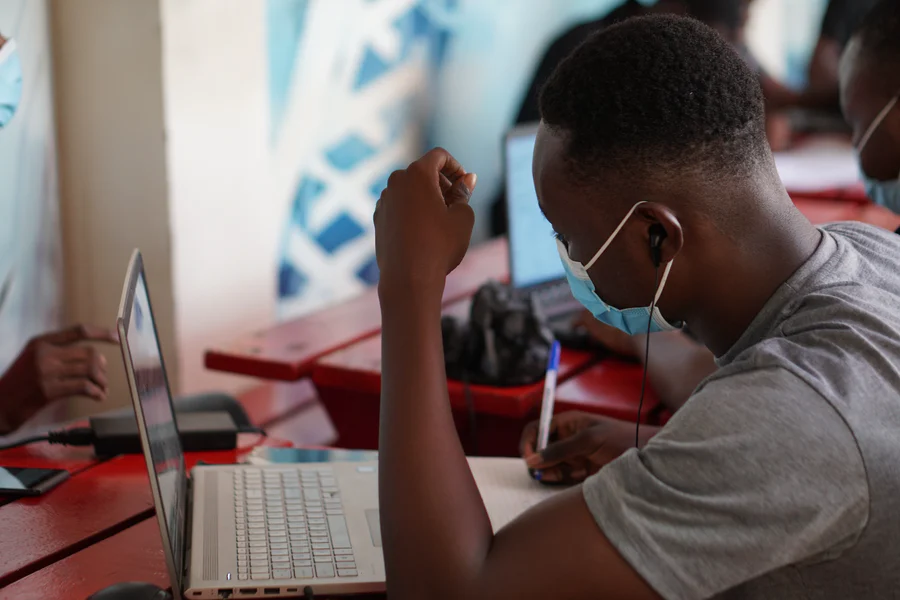
Activity based Learning
- The students are given opportunity to get industry exposure through internships. We encourage our students to take up research projects. The students undergo course specific mini and main projects to acquire in-depth knowledge.
Effective Industry Engagement
- We organize Industry interaction through Guest lectures, workshops, seminars by IT professionals. The students get exposure to real-world case studies. Collaboration with IT companies. In addition, MoUs are established with software companies and startups for training, certification programs and internships.
100% Placement assistance
- We ensure that every student gets the opportunity to attend placement drives and interact with companies. MCA students are given full support through training, internships, resume preparation, and interview guidance.
Clubs to Enhance skills
- The department has a club named Techno crats. The members of the club organise activities to develop soft skills, programming, aptitude, and technical skills.
Holistic Development
- We combine strong academic learning with hands-on projects, industry interaction, and exposure to modern tools and technologies. At the same time, we place equal importance on communication skills, teamwork, professional networking, problem-solving abilities and social values.
A Strong Research Culture
- Our MCA program fosters a research-oriented approach by encouraging innovation, analytical thinking, and hands-on learning. Through projects, seminars, technical paper presentations, and industry-focused research activities, students develop critical thinking and problem-solving skills.
Vision and Mission of the Programme
- Vision: "To nurture skilled and responsible computing professionals through quality education and practical exposure, while fostering creativity, innovation, and an entrepreneurial mindset, with a strong commitment to society".
- Mission: M1: To provide high-quality education in Computer Applications through a dynamic curriculum, modern pedagogy, and advanced technological resources.
- M2: To instil ethical values, social responsibility, and leadership qualities while fostering critical thinking and problem-solving skills.
- M3: To empower students with transformative technological expertise that addresses real-world challenges and promotes sustainable development.
Programme Specific Outcomes
- PSO1: Apply concepts of Artificial Intelligence, Machine Learning, and Data Analytics to design and develop intelligent systems and data-driven solutions for real-world problems.
- PSO2: Design, develop, and deploy scalable web and mobile applications using full-stack technologies and cloud platforms while adhering to industry best practices.
- PSO3: Implement secure computing practices and leverage emerging technologies such as Cybersecurity, Blockchain, and Internet of Things (IoT) to build reliable and innovative software solutions.
Programme Outcomes
- PO1: Computational Knowledge: Understand computing and optimization techniques using mathematics and computational models for solving real-world practical problems.
- PO2: Problem Analysis: Formulate the problem in familiar and non-familiar contexts, conduct the feasibility study, and solve real-world problems through analysis that aims for optimal solutions.
- PO3: Design / Development of Solutions: Design and develop solutions for real-world problems by identifying relevant assumptions and formulating arguments, which provides user satisfaction in the multi-disciplinary sector
- PO4: Conduct investigations of complex Computing problems: Conduct literature surveys through research papers, and survey techniques to extract information to understand complex problems, formulate hypotheses, and test them with qualitative and quantitative data
- PO5: Usage of Modern Tools: develop or select, and apply relevant algorithms/techniques, and resources, using modern IT tools to solve complex computing problems and use appropriate software for analysis of data
- PO6: Professional Ethics: Understand professional ethics, cyber ACT/ regulations, and responsibilities with societal concern and adopt objective, unbiased and truthful actions in all aspects of work
- PO7: Life-long Learning: Engage in the lifelong learning experience to gain and improve knowledge and competency as a computing professional and to inculcate a healthy attitude for lifelong learn
- PO8: Project Management and Finance: Demonstrate knowledge and understanding of software engineering and management principles and manage projects efficiently as a leader considering economical parameter.
- PO9: Communication Efficacy: Communicate effectively with the computing community and with society effectively by writing technical documentation, giving presentations, discussing instructions, and constructing logical arguments using the correct technical language.
- PO10: Societal and Environmental Concern: Understand responsibilities and consequences based on societal, environmental based national, or international issues relevant to computing techniques and contribute to nation building.
- PO11: Individual and Teamwork: Work effectively as an individual, as a member, or as a leader inspiring people in teams in multidisciplinary se
- PO12: Innovation and Entrepreneurship: Identify an opportunity for innovation in day-to-day activities and enable an ecosystem to look for innovation opportunities that will help a large set of people be happy and thus allowing them to focus on improving what they do.
Course Outcomes
- Upon successful completion of the course, students will be able to understand and apply core concepts of computer applications, including programming, data structures, algorithms, and database management. They will develop problem-solving skills and the ability to design and implement software solutions efficiently. Students will also gain practical experience with modern tools and technologies, enabling them to work effectively on real-time projects. The course fosters critical thinking, teamwork, and ethical awareness essential for professional success in the IT industry.
Programme Educational Objectives
- PEO1: Demonstrate technical competence in analyzing, designing, developing, and maintaining software solutions for real-world problems
- PEO2: Excel both independently and within multidisciplinary teams, demonstrating integrity, effective communication, and strong leadership in diverse project environments
- PEO3: Commit to lifelong learning while building impactful careers or successful entrepreneurial ventures in computer applications.
The MCA Program was introduced. The Department of Computer Application was established with the introduction of the MCA program under Bangalore University.
The MCA Program was introduced. The Department of Computer Application was established with the introduction of the MCA program under Bangalore University.
The MCA Program was introduced. The Department of Computer Application was established with the introduction of the MCA program under Bangalore University.
Department of MCA 1st Rank – Suchismitha Swain 2nd Rank - Roopesh Shah
Department of MCA 1st Rank – Suchismitha Swain 2nd Rank - Roopesh Shah
Department of MCA 1st Rank – Suchismitha Swain 2nd Rank - Roopesh Shah
The Department of MCA bagged overall trophy in the inter-departmental cultural and sports competition held for PG students.
The Department of MCA bagged overall trophy in the inter-departmental cultural and sports competition held for PG students.
The Department of MCA bagged overall trophy in the inter-departmental cultural and sports competition held for PG students.
100 students of MCA got Certified in “Advanced Image Analysis for Geospatial Professionals” and Outreach Program organized by IIRS ISRO, Dehradun. Organised Project Exhibition on 10th October 2025 in collaboration with IIC and awarded the best project.
100 students of MCA got Certified in “Advanced Image Analysis for Geospatial Professionals” and Outreach Program organized by IIRS ISRO, Dehradun. Organised Project Exhibition on 10th October 2025 in collaboration with IIC and awarded the best project.
100 students of MCA got Certified in “Advanced Image Analysis for Geospatial Professionals” and Outreach Program organized by IIRS ISRO, Dehradun. Organised Project Exhibition on 10th October 2025 in collaboration with IIC and awarded the best project.
58 MCA students earned EY and Microsoft Certificate in “AI Skills Passport”. MCA Students have published research papers in Journals and Conferences.
58 MCA students earned EY and Microsoft Certificate in “AI Skills Passport”. MCA Students have published research papers in Journals and Conferences.
58 MCA students earned EY and Microsoft Certificate in “AI Skills Passport”. MCA Students have published research papers in Journals and Conferences.
SLD101
1MCA1: The Art of Programming
The Art of Programming helps students develop logical thinking, problem-solving abilities, and creativity in designing efficient solutions for real-world problems.
SLD102
1MCA2: Discrete Mathematics
It provides the mathematical foundation required for problem-solving, logical reasoning, algorithm design, and computational thinking.
SLD103
1MCA3: Computer Organization and Architecture
Learning Computer Organization and Architecture helps to understand how computer hardware and software interact, improving their ability to write efficient programs and solve system-level problems.
SLD104
1MCA4: Theory of Computation
It develops a strong foundation for understanding how algorithms, automata, and programming languages work.
SLD105
1MCA5: Object Oriented Programming
It is essential to design and develop modular, reusable, secure, and easy to maintain software.
SLD106
1MCA6: Data Structures
Learning Data Structures helps in organizing and managing data efficiently to develop fast and optimized software programs.
SLD107
1MCA7: Data Structures Lab
Data structure Lab allows students to implementing algorithms and data structures to improve programming and problem-solving skills.
SLD108
1MCA8: Object Oriented Lab
It helps in designing, coding, testing, and debugging real-world software applications using OOP concepts.
SLD201
2MCA1: Operating Systems
It is essential to understand how computer resources are managed and how software interacts with hardware efficiently.
SLD202
2MCA2: Database Management Systems
It imparts skills to efficiently design, manage, and query databases for transforming raw data into secure, structured, and meaningful information for real-world applications.
SLD203
2MCA3: Computer Networks
To build an understanding of how computers communicate and share resources over networks.
SLD204
2MCA4: Software Engineering
To equip learners with the ability to design, develop, and deliver high-quality software systems by applying core Software Engineering principles and Agile methodologies.
SLD205
2MCA5:The Design and Analysis of Algorithm
It lays foundation to design efficient algorithms and rigorously analyze their performance in terms of time and space complexity.
SLD206
2MCA6: Artificial Intelligence
Artificial Intelligence empowers students to design smart systems that can think, learn, and make decisions, driving innovation across every modern industry.
SLD207
2MCA7 : Database Management System Lab
This allows to gain hands-on skills in designing, querying, and managing databases efficiently.
SLD208
2MCA8 : Unix Programming Lab
Students gain practical skills in Unix by working with shell commands and scripting to automate tasks and understand system-level operations effectively.
Core SLD 302
3MCA2 : Soft Core
It strengthens logical reasoning, data interpretation, and analytical thinking.
Core SLD 303
3MCA3 : Research Methodology
Research Methodology helps to understand problems clearly, collect and analyze information in a systematic way, and make smart, reliable decisions based on facts in academic and professional work.
Elective SLD3OE1
3MCA1: Open Elective
It allows students to explore subjects beyond their core syllabus, encourages interdisciplinary thinking and helps students discover interests that may guide their future specialization or profession.
Elective SLD3E1
MCA3E1: Machine Learning
Students develop the ability to build intelligent systems that can analyze data, recognize patterns, and make predictions, which are essential skills for modern software development and AI-driven applications.
Elective SLD3E2
MCA3E2: Big Data & Analytics
It equips students with the ability to process and analyze large-scale data to extract meaningful insights for better decision-making.
Elective SLD3E3
MCA3E3: Cryptography and Network Security
Students learn how to secure data, defend against cyber threats, and build trustworthy digital systems in today’s connected world.
Elective SLD3E4
MCA3E4: Cloud Computing
It builds in-demand skills to design and manage powerful, scalable, and future-ready IT solutions that drive today’s digital world.
Elective SLD3E5
MCA3E5: Web Programming
Students gain essential skills to design, develop, and deploy modern interactive web applications, making them industry-ready.
SLD 304
3MCA7: Mini Project
Students connect theory with practice by applying programming concepts on a small scale, which builds confidence, strengthens problem-solving skills, and prepares them for real-world software development in a simple and guided way.
SLD 401
MAIN PROJECT
Students independently design, develop, and deploy complete solutions for real-world industry or research problems, sharpening their technical skills, creativity, and problem-solving ability, preparing them to excel in professional IT careers.
Placement | Doctoral - AMC Management School
Every year, the HBS Doctoral Programs produces an impressive list of students who are preparing to enter the job market. Find an outstanding candidate to Every year, the HBS Doctoral Programs produces an impressive list of students who are preparing to enter the job market. Find an outstanding candidate to Every year, the HBS Doctoral Programs produces an impressive list of students who are preparing to enter the job market. Find an outstanding candidate
Placement | Doctoral - AMC Management School
Every year, the HBS Doctoral Programs produces an impressive list of students who are preparing to enter the job market. Find an outstanding candidate to Every year, the HBS Doctoral Programs produces an impressive list of students who are preparing to enter the job market. Find an outstanding candidate to Every year, the HBS Doctoral Programs produces an impressive list of students who are preparing to enter the job market. Find an outstanding candidate
Placement | Doctoral - AMC Management School
Every year, the HBS Doctoral Programs produces an impressive list of students who are preparing to enter the job market. Find an outstanding candidate to Every year, the HBS Doctoral Programs produces an impressive list of students who are preparing to enter the job market. Find an outstanding candidate to Every year, the HBS Doctoral Programs produces an impressive list of students who are preparing to enter the job market. Find an outstanding candidate
Placement | Doctoral - AMC Management School
Every year, the HBS Doctoral Programs produces an impressive list of students who are preparing to enter the job market. Find an outstanding candidate to Every year, the HBS Doctoral Programs produces an impressive list of students who are preparing to enter the job market. Find an outstanding candidate to Every year, the HBS Doctoral Programs produces an impressive list of students who are preparing to enter the job market. Find an outstanding candidate
Placement | Doctoral - AMC Management School
Every year, the HBS Doctoral Programs produces an impressive list of students who are preparing to enter the job market. Find an outstanding candidate to Every year, the HBS Doctoral Programs produces an impressive list of students who are preparing to enter the job market. Find an outstanding candidate to Every year, the HBS Doctoral Programs produces an impressive list of students who are preparing to enter the job market. Find an outstanding candidate
Placement | Doctoral - AMC Management School
Every year, the HBS Doctoral Programs produces an impressive list of students who are preparing to enter the job market. Find an outstanding candidate to Every year, the HBS Doctoral Programs produces an impressive list of students who are preparing to enter the job market. Find an outstanding candidate to Every year, the HBS Doctoral Programs produces an impressive list of students who are preparing to enter the job market. Find an outstanding candidate
Placement | Doctoral - AMC Management School
Every year, the HBS Doctoral Programs produces an impressive list of students who are preparing to enter the job market. Find an outstanding candidate to Every year, the HBS Doctoral Programs produces an impressive list of students who are preparing to enter the job market. Find an outstanding candidate to Every year, the HBS Doctoral Programs produces an impressive list of students who are preparing to enter the job market. Find an outstanding candidate
Placement | Doctoral - AMC Management School
Every year, the HBS Doctoral Programs produces an impressive list of students who are preparing to enter the job market. Find an outstanding candidate to Every year, the HBS Doctoral Programs produces an impressive list of students who are preparing to enter the job market. Find an outstanding candidate to Every year, the HBS Doctoral Programs produces an impressive list of students who are preparing to enter the job market. Find an outstanding candidate
Placement | Doctoral - AMC Management School
Every year, the HBS Doctoral Programs produces an impressive list of students who are preparing to enter the job market. Find an outstanding candidate to Every year, the HBS Doctoral Programs produces an impressive list of students who are preparing to enter the job market. Find an outstanding candidate to Every year, the HBS Doctoral Programs produces an impressive list of students who are preparing to enter the job market. Find an outstanding candidate
Placement | Doctoral - AMC Management School
Every year, the HBS Doctoral Programs produces an impressive list of students who are preparing to enter the job market. Find an outstanding candidate to Every year, the HBS Doctoral Programs produces an impressive list of students who are preparing to enter the job market. Find an outstanding candidate to Every year, the HBS Doctoral Programs produces an impressive list of students who are preparing to enter the job market. Find an outstanding candidate
Activity based Learning
- Offers programs in Engineering, Management, MCA, and AI-related specializations.The students are given opportunity to get industry exposure through internships. We encourage our students to take up research projects. The students undergo course specific mini and main projects to acquire in-depth knowledge.The students are given opportunity to get industry exposure through internships. We encourage our students to take up research projects. The students undergo course specific mini and main projects to acquire in-depth knowledge.
Effective Industry Engagement
- Large green campus with modern classrooms and laboratories.We organize Industry interaction through Guest lectures, workshops, seminars by IT professionals. The students get exposure to real-world case studies. Collaboration with IT companies. In addition, MoUs are established with software companies and startups for training, certification programs and internships.We organize Industry interaction through Guest lectures, workshops, seminars by IT professionals. The students get exposure to real-world case studies. Collaboration with IT companies. In addition, MoUs are established with software companies and startups for training, certification programs and internships.
100% Placement assistance
- Placement training programs including aptitude, coding, and soft skills.We ensure that every student gets the opportunity to attend placement drives and interact with companies. MCA students are given full support through training, internships, resume preparation, and interview guidance.We ensure that every student gets the opportunity to attend placement drives and interact with companies. MCA students are given full support through training, internships, resume preparation, and interview guidance.
Clubs to Enhance skills
- Located near Bannerghatta Road with connectivity to major parts of Bengaluru.The department has a club named Techno crats. The members of the club organise activities to develop soft skills, programming, aptitude, and technical skills.The department has a club named Techno crats. The members of the club organise activities to develop soft skills, programming, aptitude, and technical skills.
Holistic Development
- Technical clubs, hackathons, cultural events, and sports activities.We combine strong academic learning with hands-on projects, industry interaction, and exposure to modern tools and technologies. At the same time, we place equal importance on communication skills, teamwork, professional networking, problem-solving abilities and social values.We combine strong academic learning with hands-on projects, industry interaction, and exposure to modern tools and technologies. At the same time, we place equal importance on communication skills, teamwork, professional networking, problem-solving abilities and social values.
A Strong Research Culture
- Technical clubs, hackathons, cultural events, and sports activities.Our MCA program fosters a research-oriented approach by encouraging innovation, analytical thinking, and hands-on learning. Through projects, seminars, technical paper presentations, and industry-focused research activities, students develop critical thinking and problem-solving skills.Our MCA program fosters a research-oriented approach by encouraging innovation, analytical thinking, and hands-on learning. Through projects, seminars, technical paper presentations, and industry-focused research activities, students develop critical thinking and problem-solving skills.